
IST 110
A Semester Portfolio
Coursework summary.
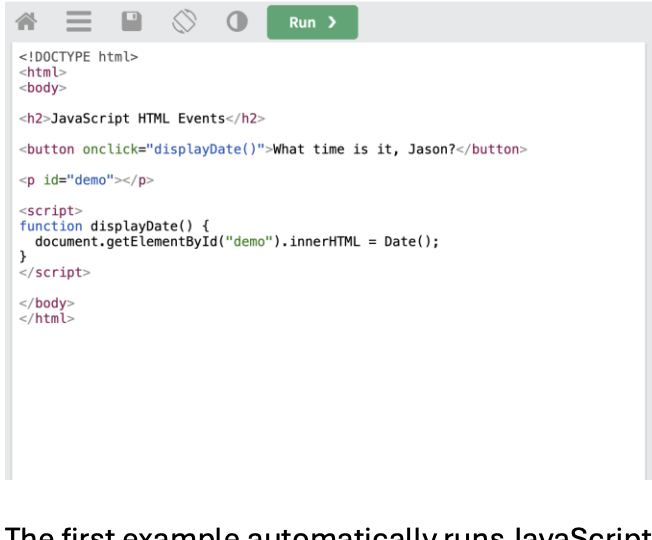
Throughout this semester in IST 110, we explored the foundations of information sciences and technology by working hands-on with real-world concepts, tools, and analytical methods. Beginning with introductory activities and discussions, we progressed through modules on hardware, operating systems, data organization, programming, cybersecurity, privacy, societal issues, and enterprise technologies. We completed practical assignments such as binary conversion, hardware dissection, Python and JavaScript exercises, SQL and data tasks, OSINT investigations, cybercrime analysis, infographic design, and enterprise technology integration. Regular quizzes and reading checks reinforced key concepts, while group projects and discussions developed collaboration and critical thinking skills. By the end of the course, we had built a comprehensive portfolio demonstrating our growth, technical abilities, and understanding of how technology, people, and processes intersect within modern information systems.

Course Takeaways
Gained a foundational understanding of how information systems support organizations, decision-making, and daily operations
Learned how data is collected, processed, stored, and communicated through modern information technologies
Explored the relationship between people and technology, including usability, ethics, privacy, and security considerations
Developed skills in evaluating technology solutions based on organizational needs rather than tools alone
Strengthened problem-solving and systems-thinking abilities by analyzing real-world technology scenarios

Technology is most powerful when it supports people and processes. My work in Information Sciences and Technology explores how information systems drive decision-making, improve operational flow, and strengthen trust in high-impact environments.
The work featured here reflects how I apply IST concepts to leadership, guest experience, and risk-aware operations across hospitality and service-driven organizations.
Featured Work!

Group Assignments
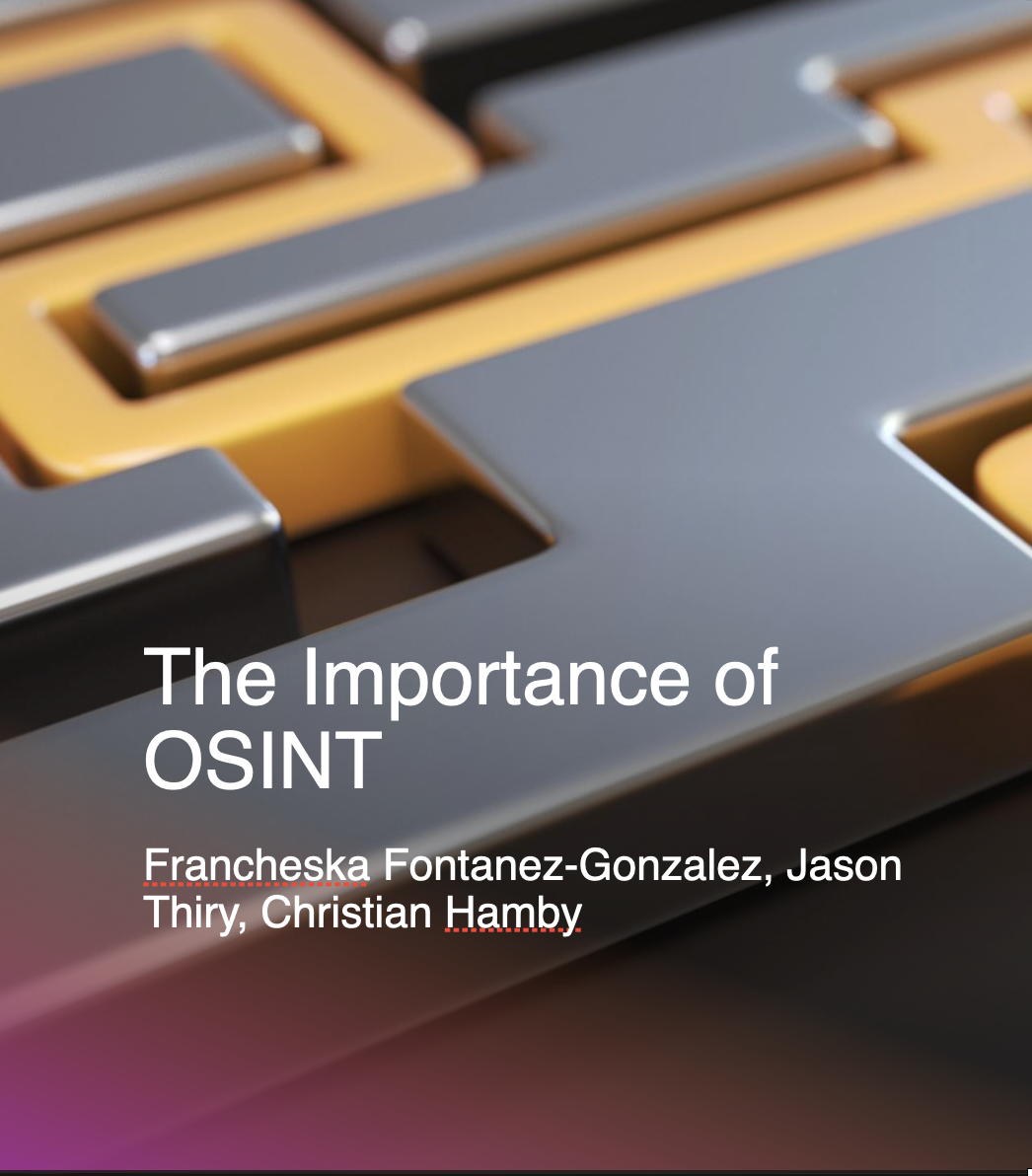
OSINT
This assignment introduced the use of open-source intelligence (OSINT) to collect and analyze publicly available information. The focus was on evaluating the credibility, relevance, and ethical use of data while identifying patterns and insights that support informed decision-making.
Through this work, I strengthened my ability to research efficiently, verify sources, and think critically about how publicly accessible information can be used responsibly in organizational and security-focused contexts.
Individual Assignments
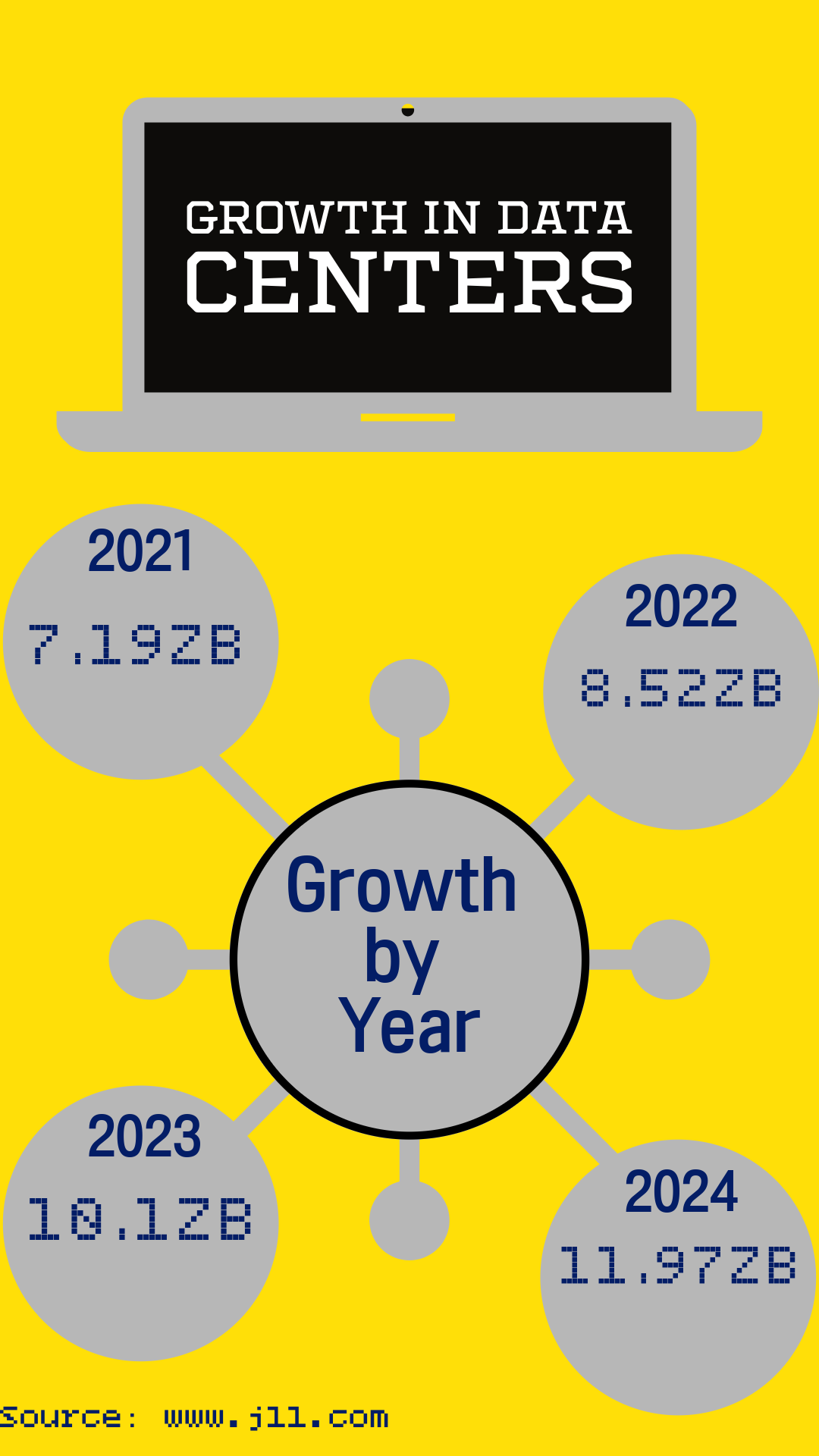
Infographic
This assignment focused on translating complex information systems concepts into a clear, visually engaging infographic. The goal was to communicate technical information in a way that is accessible, organized, and easy to understand for a broad audience.
Through this project, I strengthened my ability to synthesize information, prioritize key takeaways, and use visual design as a tool for effective communication—an essential skill in both technology and leadership-focused environments.
Discussions
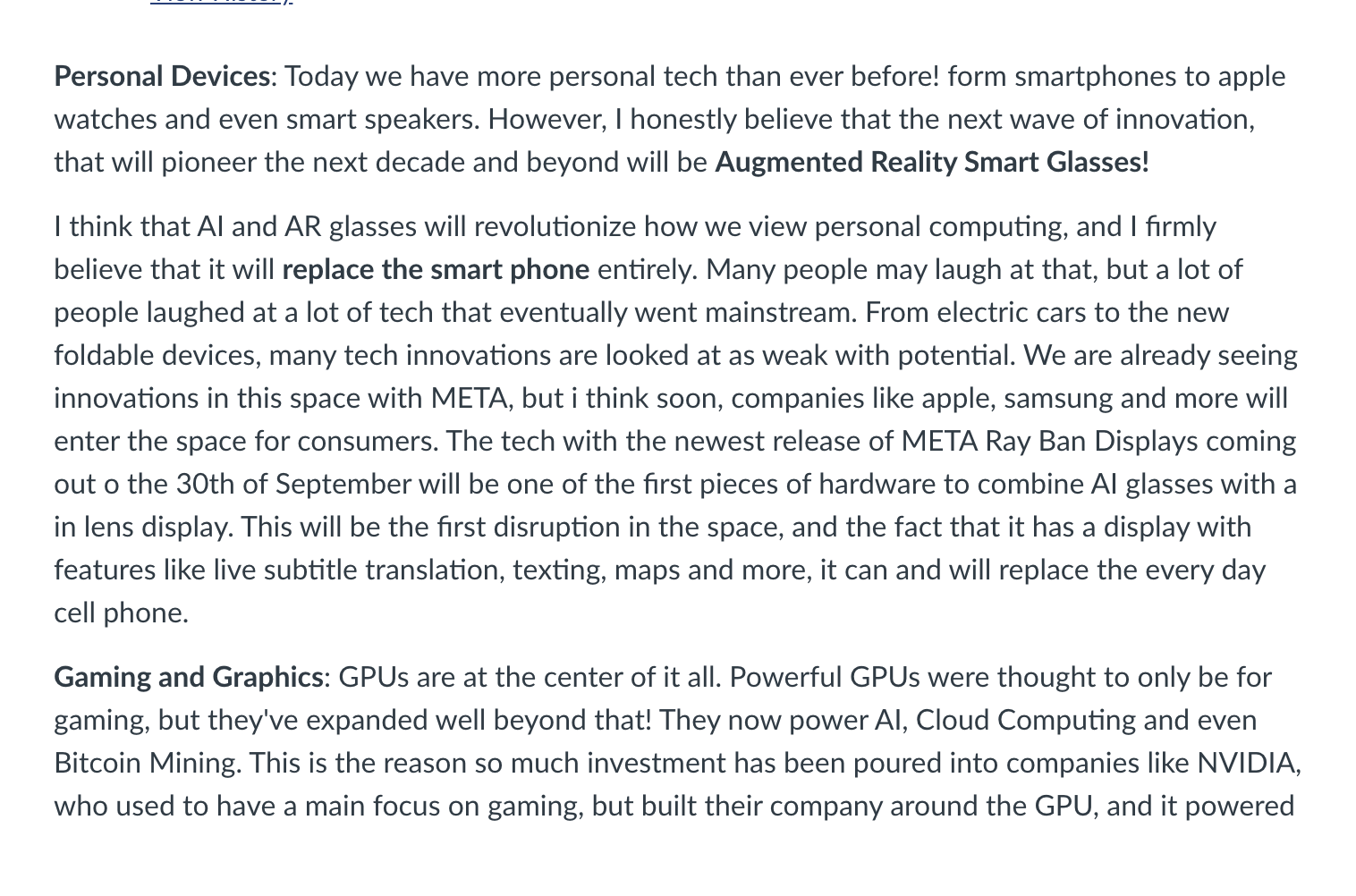
Below is a sample of a discussion post of mine!
Favorite Assignments.
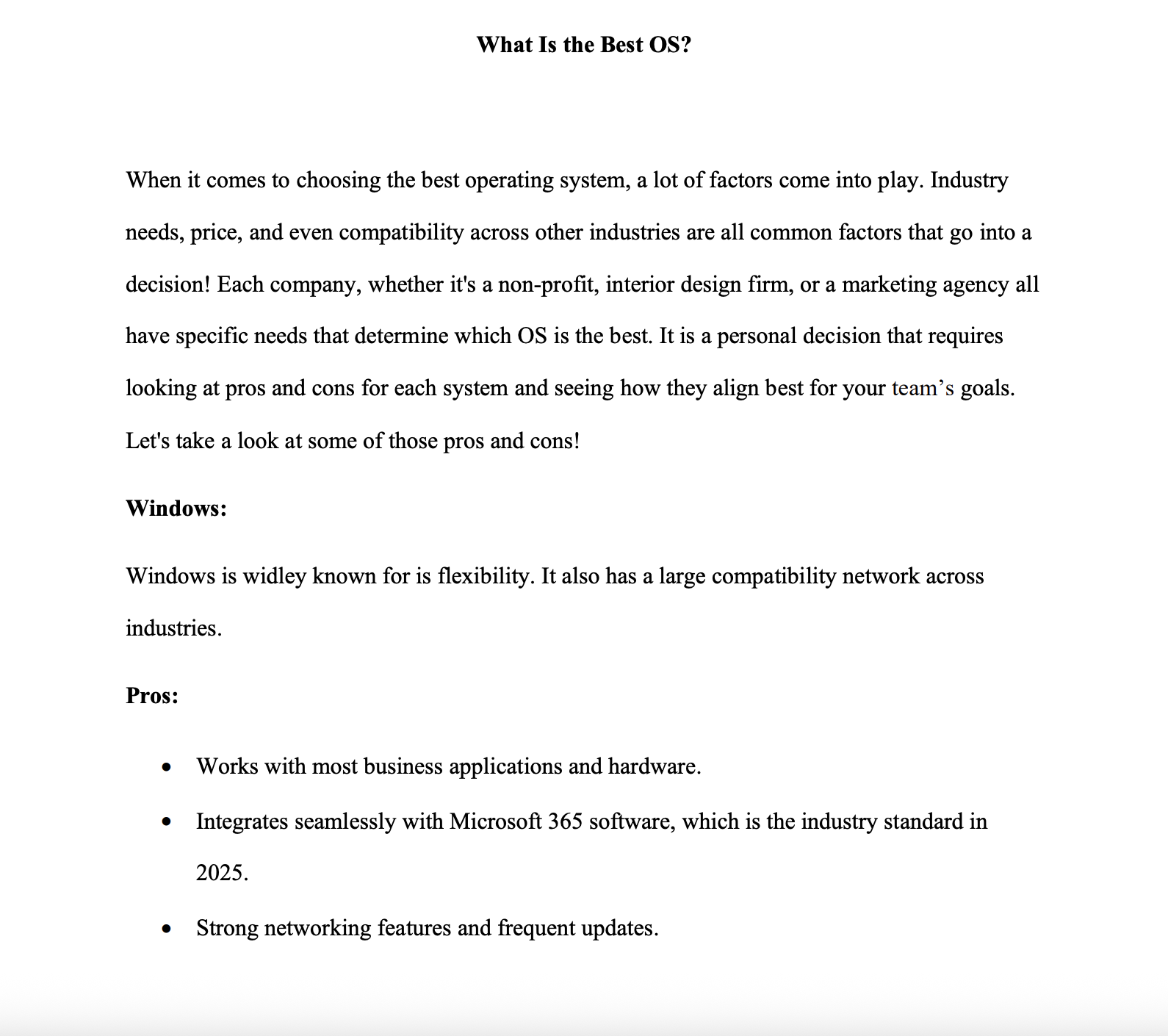
Operating System Evaluation
This assignment focused on comparing operating systems based on usability, performance, security, and real-world application. I enjoyed analyzing each system through both a user and organizational lens, weighing strengths and trade-offs to determine which platform best supports efficiency and reliability. The project strengthened my ability to evaluate technology based on purpose, not preference.
Information Systems Infographic
This project required translating technical information into a clear, visual format. I enjoyed the challenge of simplifying complex concepts and presenting them in a way that is accessible and engaging. Creating the infographic reinforced the importance of communication, design, and clarity when sharing information with diverse audiences.
Importance of zyBooks
zyBooks played an important role in reinforcing core IST concepts through interactive, applied learning. Instead of passively reading material, zyBooks required active engagement through short explanations, animations, and practice activities that strengthened comprehension and retention.
Working through zyBooks helped build confidence with technical terminology, information systems concepts, and problem-solving processes. The immediate feedback encouraged accuracy and critical thinking, making it easier to identify gaps in understanding and apply concepts more effectively in assignments and discussions.